







What Makes High-Efficiency Solar Panels Best in 2026
Release time: 2026-06-23
Solar energy is evolving rapidly as global electricity demand continues to rise. In 2026, the focus is no longer just on adopting solar power, but on selecting high-efficiency solar panels that maximize output while minimizing long-term energy costs.
The shift is driven by both economic pressure and technological improvements. Homeowners and businesses are increasingly looking for systems that offer higher conversion rates, better durability, and faster return on investment.
Today’s solar market is defined by performance, not just installation.
Why High-Efficiency Solar Panels Lead the Market
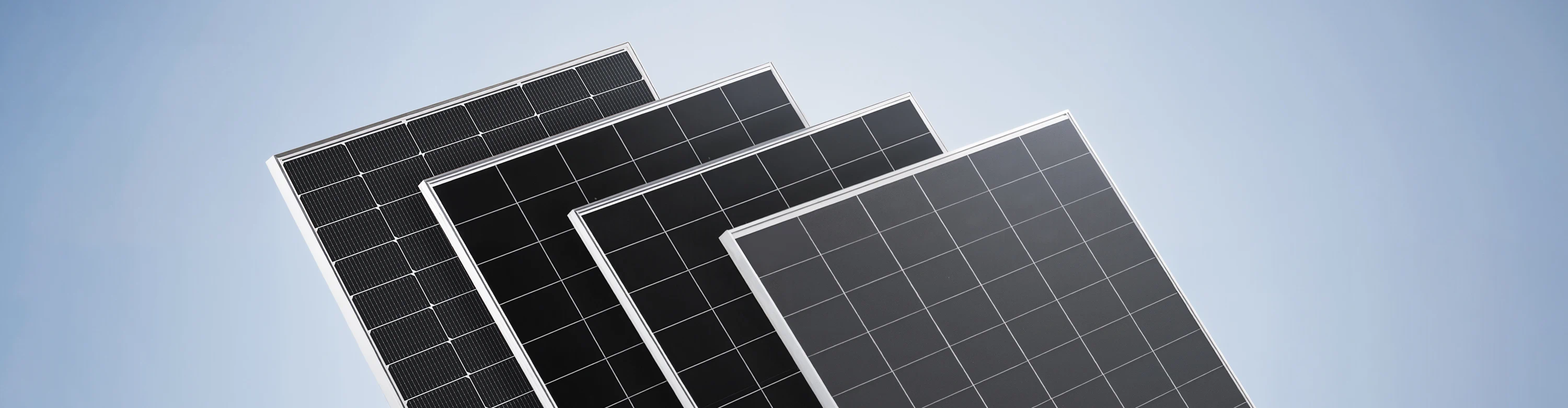
High-efficiency solar panels are designed to convert more sunlight into usable electricity, typically reaching 21%–23% efficiency with advanced N-type and monocrystalline technology.
Key advantages include:
- Improved photovoltaic cell structure (half-cut, multi-busbar)
- Lower energy loss under heat conditions
- Higher power output per square meter
- Reduced long-term degradation
These improvements directly impact system performance and financial return.
Core comparison:
| Type | Efficiency | Degradation | Space Usage |
|---|---|---|---|
| Polycrystalline | 15–17% | High | Large |
| PERC Mono | 19–21% | Medium | Medium |
| N-type High Efficiency | 21–23% | Low | Small |
This gap explains why high-efficiency solar panels are rapidly becoming the global standard.
Technology Behind High Efficiency
Modern solar systems rely on multiple innovations:
- N-type silicon wafers for better electron mobility
- Bifacial design capturing reflected sunlight
- Advanced anti-reflective coating
- Improved thermal resistance for hot climates
These technologies increase total energy yield, especially in commercial-scale installations.
Economic Value and ROI Impact
The value of solar panels is no longer judged by installation cost alone, but by lifetime electricity savings.
High-efficiency systems can improve ROI significantly:
- Faster payback period (3–6 years typical)
- Higher lifetime output
- Reduced maintenance cost
- Better land/roof utilization
Businesses especially benefit from predictable long-term energy pricing.
Why 2026 Is a Turning Point
Several global trends are accelerating adoption:
- Rising electricity prices worldwide
- Government incentives for clean energy
- Increasing demand for energy independence
- Rapid decline in solar manufacturing costs
As a result, solar energy systems are becoming a core infrastructure investment rather than optional upgrades.
Solvic Energy Solution Advantage
Solvic provides integrated photovoltaic solutions designed for residential and commercial applications. Their systems focus on:
- Stable high-output performance
- Compatibility with modern inverter systems
- Long-term durability
- System-level energy optimization
By integrating high-efficiency solar panels into complete systems, users achieve higher energy independence and lower operational costs.
Conclusion
High-efficiency solar panels represent the future of solar energy in 2026. They combine technological advancement with economic practicality, offering both higher output and stronger financial returns.
For homeowners and businesses, the decision is no longer whether to adopt solar—but which efficiency level delivers the best long-term value.
Solvic continues to support this transition with advanced renewable energy solutions designed for real-world performance.
FAQ
Q1: What is considered a high-efficiency solar panel?
A: Panels with efficiency above 21%, usually N-type monocrystalline or bifacial modules.
Q2: Are high-efficiency solar panels worth it?
A: Yes, due to faster ROI and higher long-term energy output.
Q3: How long do high-efficiency panels last?
A: Typically 25–30 years with low degradation.
Q4: Do they work better in hot climates?
A: Yes, advanced designs reduce heat-related efficiency loss.
Q5: What affects solar panel efficiency the most?
A: Material type, temperature, shading, and installation quality.