







How Solar Panels Reduce Electricity Costs in 2026
Release time: 2026-07-06
Electricity prices continue to rise globally, pushing both households and businesses to seek alternative energy solutions. In 2026, solar power has become one of the most effective ways to reduce long-term electricity expenses.
The key question is no longer whether solar works, but how much it can reduce electricity costs in real-world applications.
How Solar Panels Cut Electricity Bills
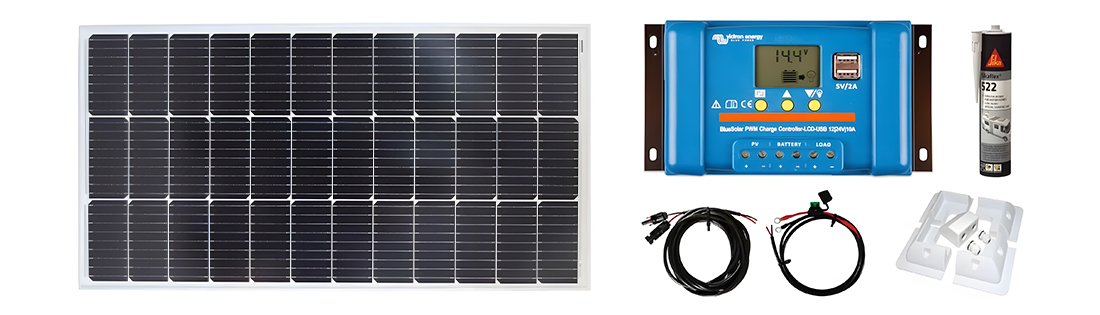
Solar systems reduce electricity costs through direct energy substitution. Instead of purchasing electricity from the grid, users generate their own power during daylight hours.
Core cost-saving mechanisms include:
- Self-consumption of solar energy
- Net metering and grid export
- Peak-hour electricity reduction
- Long-term price stability
A well-designed system using solar panels can reduce electricity bills by 40%–90%.
Residential vs Commercial Savings
| Segment | Savings Rate | Payback Period | Key Benefit |
|---|---|---|---|
| Residential | 40–70% | 4–7 years | Lower monthly bills |
| Small Business | 50–80% | 3–6 years | Stable cost structure |
| Industrial | 60–90% | 2–5 years | Energy independence |
Commercial users benefit the most due to higher daytime energy consumption.
Role of System Efficiency
Electricity savings are not determined by panels alone. System design plays a critical role:
- Inverter efficiency affects conversion loss
- Battery storage improves energy utilization
- Smart monitoring optimizes consumption
When combined, these components maximize the performance of high-efficiency solar panels.
Why Solar ROI Is Improving in 2026
Several factors improve financial returns:
- Lower solar manufacturing costs
- Higher efficiency modules
- Rising electricity tariffs
- Government incentives in many regions
As a result, solar payback periods are shorter than ever.
Real-World Cost Reduction Impact
A typical household system can:
- Offset daytime electricity usage completely
- Reduce peak electricity dependency
- Stabilize long-term energy expenses
For businesses, solar power directly improves profit margins by lowering operational costs.
Solvic Solar Energy Integration
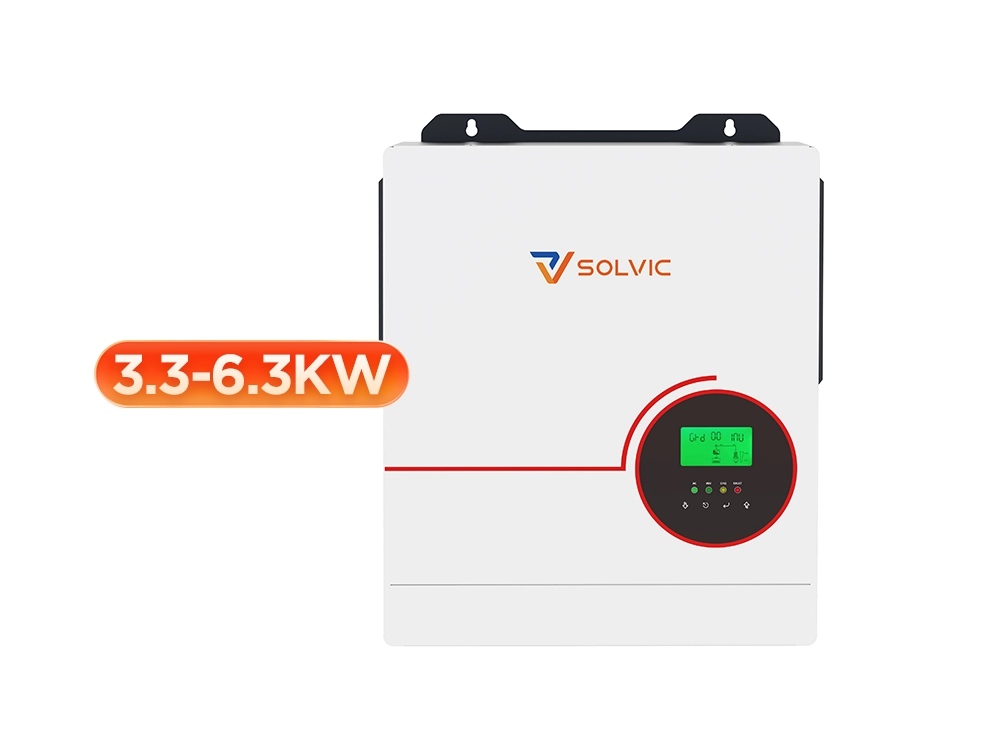
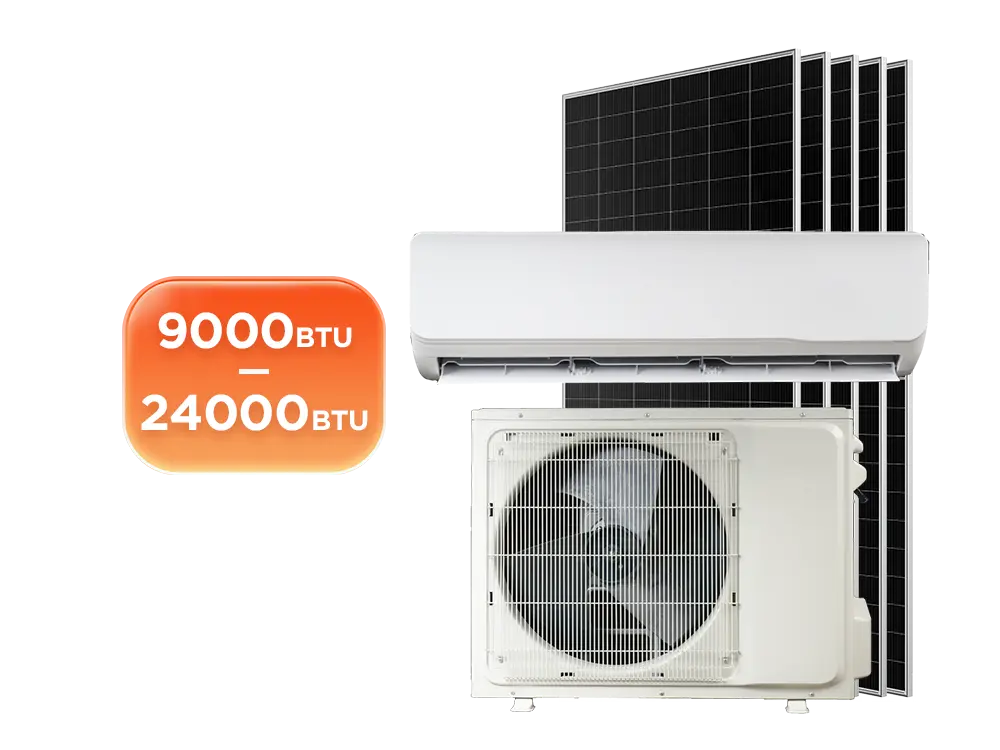
Solvic offers integrated energy systems combining panels, inverters, and storage solutions. Their focus is system-level optimization rather than standalone components.
By deploying solar panels, users achieve:
- Lower electricity dependency
- Higher energy efficiency
- Long-term cost predictability
Conclusion
Solar panels are one of the most effective tools for reducing electricity costs in 2026. With rising energy prices, their value continues to increase for both residential and commercial users.
The combination of efficiency, system integration, and long-term savings makes solar energy a strategic investment rather than just an environmental choice.
Solvic supports this transition by providing scalable renewable energy solutions tailored to modern energy demands.
FAQ
Q1: How much can solar panels reduce electricity bills?
A: Typically 40%–90% depending on system size and usage.
Q2: Do solar panels eliminate electricity bills completely?
A: In some optimized systems, bills can be nearly eliminated.
Q3: What affects solar savings the most?
A: System design, location, and energy consumption patterns.
Q4: Are solar panels cost-effective for businesses?
A: Yes, especially for high daytime energy users.
Q5: How long before solar pays for itself?
A: Usually 2–7 years depending on system scale.