








ما هو حجم نظام تخزين الطاقة الشمسية الذي يحتاجه منزلك فعلاً؟
Release time: 2026-09-16
جدول المحتويات
Choosing a solar storage system for your home starts with one simple question: how much power do you actually need?
A 3.3kW system may be enough for basic backup loads, while a larger home with air conditioning, kitchen appliances, pumps, and other high-power equipment may need 10kW or more. Battery capacity matters too, especially if you want to keep essential appliances running for several hours during a power outage.
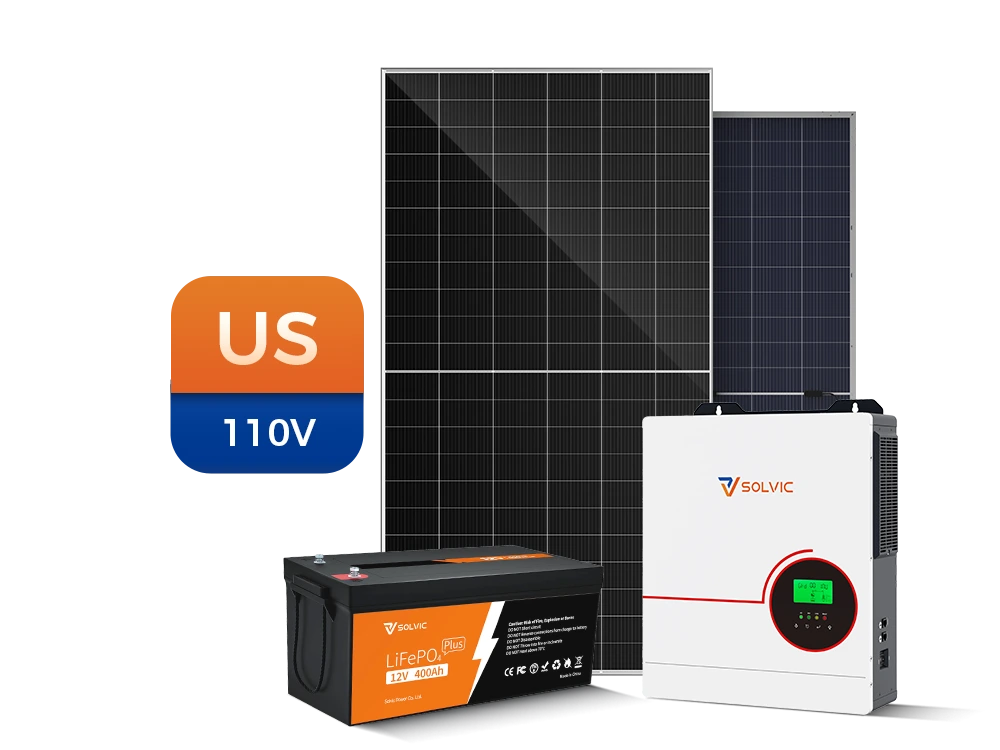
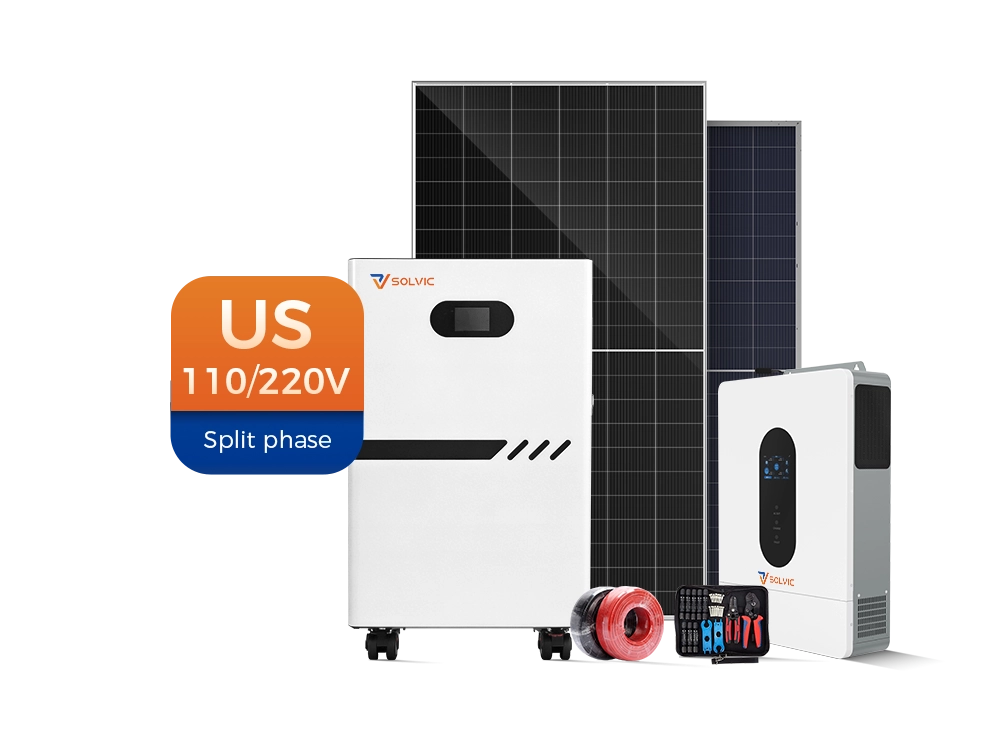
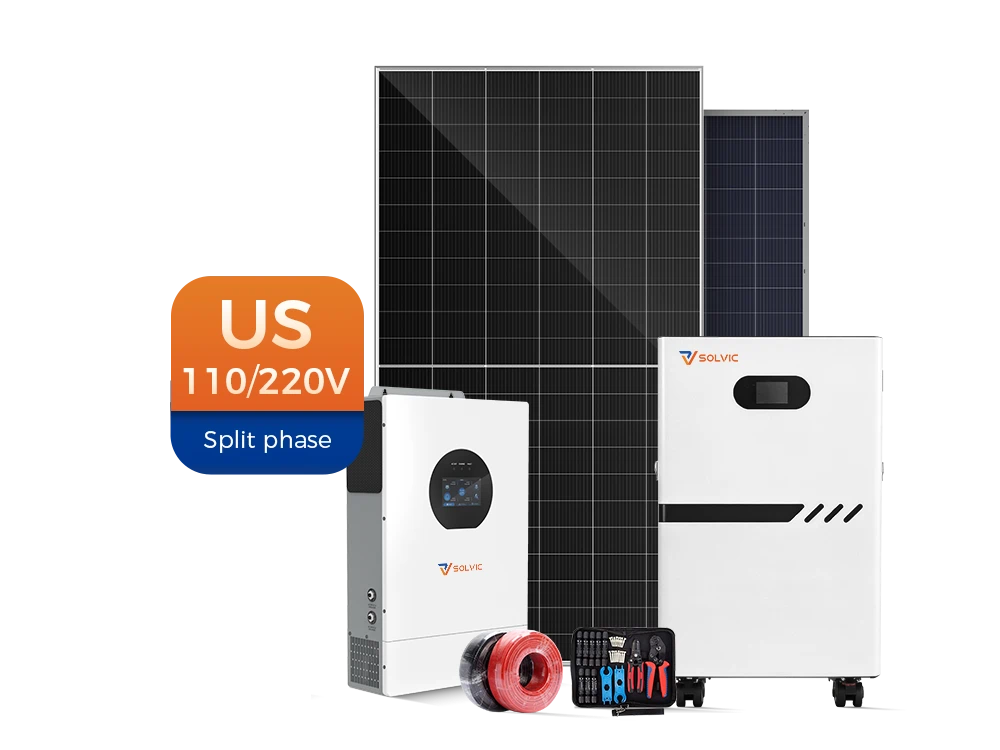
Solvic Power supplies complete residential energy systems that combine solar panels, hybrid inverters, batteries, mounting components, and related electrical equipment. Its residential range includes systems from 3.3kW to 12kW, giving homeowners several options for different power and backup needs.
What Should You Consider Before Choosing a Solar Storage System?
The best place to start is with your home’s actual electricity use rather than the system size alone.
There are three things worth checking:
- How much power do your appliances use at the same time?
- Which appliances need to stay on during a blackout?
- How long do you want the battery to provide backup power?
The inverter and battery handle different jobs. The inverter determines how much power the system can deliver at one time. The battery determines how much energy can be stored for later use.
For example, a household may not use a large amount of electricity over a full day but may still have several appliances running at the same time. In that case, inverter output becomes more important. If the main concern is keeping the refrigerator, lights, internet equipment, and other essentials running overnight, battery capacity deserves more attention.
How Much Power Does Your Home Need?
Make a list of the appliances you normally use and check their rated power. Then look at which ones are likely to run together.
For a small home that mainly needs backup for a refrigerator, lights, computers, fans, and a TV, a smaller system may be sufficient. A home with air conditioning, water pumps, electric cooking equipment, or other heavy loads will usually need more inverter capacity.
The following residential systems cover several common capacity levels:
| System | Inverter Rating | سعة البطارية | Electrical Configuration | Typical Application |
| 3.3kW Complete Hybrid System | 3.3 كيلوواط | 2–10kWh recommended | 110V single phase | Essential loads, small homes, RVs, cabins |
| 6kW Eco Solar Storage System | 6.3kW | 5.12 كيلوواط ساعة | 110V single phase | Small to mid-sized homes |
| 8kW Eco Solar Storage System | 7.2 كيلوواط | 10.24 كيلوواط ساعة | 110/220V split phase | Mid-sized residential loads |
| 10kW Eco Solar Storage System | 10 كيلوواط | 16kWh | 110/220V split phase | Larger homes and higher loads |
| 12kW Eco Solar Storage System | 12 كيلو واط | 32 كيلوواط ساعة | 110/220V split phase | High-load homes and longer backup |
These figures give you a useful starting point. Your actual choice should still be based on your home’s load and the amount of backup power you expect to use.
Why Does Battery Capacity Matter?
Inverter power and battery capacity are often mentioned together, but they tell you different things.
A 10kW inverter, for example, can supply up to around 10kW of power under the specified operating conditions. That does not mean the battery can provide 10kW for an entire day.
The battery is measured in kWh. A larger kWh rating means more stored energy.
The 10kW system in this range uses a 10kW hybrid inverter with a 16kWh lithium battery. The 12kW model goes further with a 12kW inverter and 32kWh of battery storage. These configurations are better suited to homes with higher electricity use or longer backup requirements.
The 3.3kW system is more flexible. It supports a recommended battery range of 2–10kWh and can be expanded through parallel connection. For someone starting with essential-load backup and planning to increase storage later, that can be a practical option.
When comparing a نظام تخزين الطاقة الشمسية المنزلي, look at both the inverter rating and battery capacity. A high inverter rating with a small battery may not provide the backup time you expect, while a large battery paired with an undersized inverter may not handle your peak loads.
110V or Split Phase: Which One Fits Your Home?
The electrical configuration of your home also affects your choice.
The 3.3kW and 6kW systems are designed for 110V single-phase applications. The 8kW, 10kW, and 12kW systems use 110/220V split-phase configurations.
For homes that mainly need backup for basic 110V loads, a single-phase system may be suitable. If you have 220V appliances or want to cover a wider range of household circuits, a split-phase system offers more flexibility.
Before ordering, check your home’s electrical panel and the voltage requirements of the appliances you want to back up. This is particularly important when replacing or upgrading an existing backup system.
Which System Fits Different Household Needs?
Different homes have different priorities. Some homeowners only want to keep essential appliances running during a blackout. Others want enough capacity to cover most of the home and store more solar energy for use later.
3.3kW for Essential Loads
The 3.3kW complete hybrid system is the smallest option in the range. It is aimed at basic backup applications and can support loads such as a refrigerator, lights, TV, computers, and fans.
It provides 110V output and has a backup switching time of less than 10ms. The system can also be used with an RV or an off-grid cabin.
The recommended battery range of 2–10kWh gives users some room to adjust storage according to their needs.
6kW for Smaller and Mid-Sized Homes
The 6kW system uses a 6.3kW hybrid inverter and a 5.12kWh lithium battery. It offers more output than the 3.3kW system while keeping the overall configuration relatively compact.
For a home with moderate electricity use and a clear list of backup loads, this can be a good middle-ground option.
8kW for Higher Residential Loads
The 8kW system includes a 7.2kW hybrid inverter and 10.24kWh battery. With more available storage, it can support more household loads and provide longer backup than the smaller configurations.
Its 110/220V split-phase design also makes it suitable for homes with both 120V and 240V electrical loads.
10kW for Larger Homes
The 10kW system pairs a 10kW hybrid inverter with 16kWh of lithium battery storage.
This configuration is better suited to larger homes or households where several appliances may operate at the same time. It also gives homeowners more stored energy to work with during an outage.
12kW for High-Demand Homes
The 12kW system is the largest option in this residential range. It combines a 12kW hybrid inverter with 32kWh of battery storage.
For homes with higher electricity demand, or for users who want a longer period of backup power, the additional battery capacity can make a noticeable difference.
What Comes With a Complete Solar Storage System?
One advantage of buying a complete system is that you do not have to source every component separately.
A typical package can include solar modules, a hybrid inverter, lithium batteries, mounting brackets, cables, protection components, and connection guidance. Having these components planned as one system can make installation and communication with the supplier easier.
This can be particularly useful for overseas buyers. Instead of checking the compatibility of each component with different suppliers, they can work from one system configuration and receive technical documents and support from the same source.
The quality of after-sales service is also worth checking before you place an order. Installation guidance, wiring information, commissioning support, logistics coordination, and technical assistance can all make a difference once the equipment arrives.
ما الذي يجب عليك التحقق منه قبل الشراء؟
قبل اختيار residential solar energy storage system, go through these points:
- Daily electricity use – Check your recent electricity bills to get a realistic idea of consumption.
- Peak load – Add up the appliances that may run at the same time.
- Backup loads – Decide which appliances and circuits are essential during a blackout.
- سعة البطارية – Estimate how long you want those loads to run on stored energy.
- Electrical configuration – Confirm whether your home uses 110V single phase or 120/240V split phase.
- PV input – Make sure the inverter can handle the planned solar array.
- Future expansion – Check whether additional batteries or parallel units can be added later.
- Installation support – Ask what wiring diagrams, technical documents, and commissioning assistance are included.
Taking a few minutes to check these details can prevent a mismatch between the system you buy and the loads you actually need to support.
Is a Complete Home Solar System Better Than Buying Components Separately?
There is no single answer for every project, but a complete system can make the purchasing process much easier.
When the inverter, battery, solar panels, mounting system, and electrical accessories are selected as a package, compatibility is easier to manage. The installer also has a clearer picture of how the system is intended to be connected.
For international projects, having one supplier for system design, equipment, shipping coordination, and technical support can also reduce communication between different parties.
Solvic Power takes this full-chain approach, covering solar generation, energy storage, electrical components, system design, technical support, installation assistance, and long-term operation and maintenance.
Frequently Asked Questions
1. What size solar storage system is suitable for a small home?
A 3.3kW system can work well when the main purpose is to keep essential appliances running. If the home has more simultaneous loads, a 6kW or larger system may be a better fit.
2. Do I need a large battery if my inverter is large?
Not necessarily. Inverter size and battery size serve different purposes. A larger inverter can handle more power at once, while a larger battery provides more stored energy. Both should match your actual usage.
3. What is the difference between kW and kWh?
kW refers to power output. kWh refers to stored energy. In simple terms, kW affects how much equipment you can run at once, while kWh affects how long the battery can keep those loads running.
4. Can a solar storage system provide power during a blackout?
Yes. A properly installed hybrid system can switch to backup operation when the grid goes down. The number of appliances it can support and the backup time depend on the inverter, battery, load, and system configuration.
5. Should I choose a 10kW or 12kW system?
Look at your peak load first. If your home has several high-power appliances and you also want more stored energy for longer outages, the 12kW system with 32kWh of battery storage may be more suitable. If your load is lower, the 10kW system with 16kWh may provide enough capacity without going larger than necessary.
Final Thoughts
Choosing the right نظام تخزين الطاقة الشمسية is mainly about matching the equipment to the way your home uses electricity.
A 3.3kW system can cover basic loads, while 6kW and 8kW options provide more capacity for typical small and mid-sized homes. For larger households or higher backup requirements, 10kW and 12kW systems offer higher inverter output and substantially more battery storage.
The goal is not to buy the biggest system available. It is to find a system that can handle your normal loads, cover the appliances you care about during an outage, and leave enough room for your future plans.
With residential systems ranging from 3.3kW to 12kW and support covering system design, equipment supply, and technical service, Solvic Power can help buyers build a complete solar and storage setup around their actual household power requirements.