







How to Choose the Right Portable Power Station Capacity for Your Power Needs?
Release time: 2026-10-16
Table of Contents
Choosing the right portable power station capacity requires more than comparing battery sizes. Buyers need to consider the power consumption of their equipment, expected operating time, output voltage, and charging options. A compact unit may be sufficient for charging small electronics and running lights, while outdoor work or home backup may require a higher-output model with a larger battery.
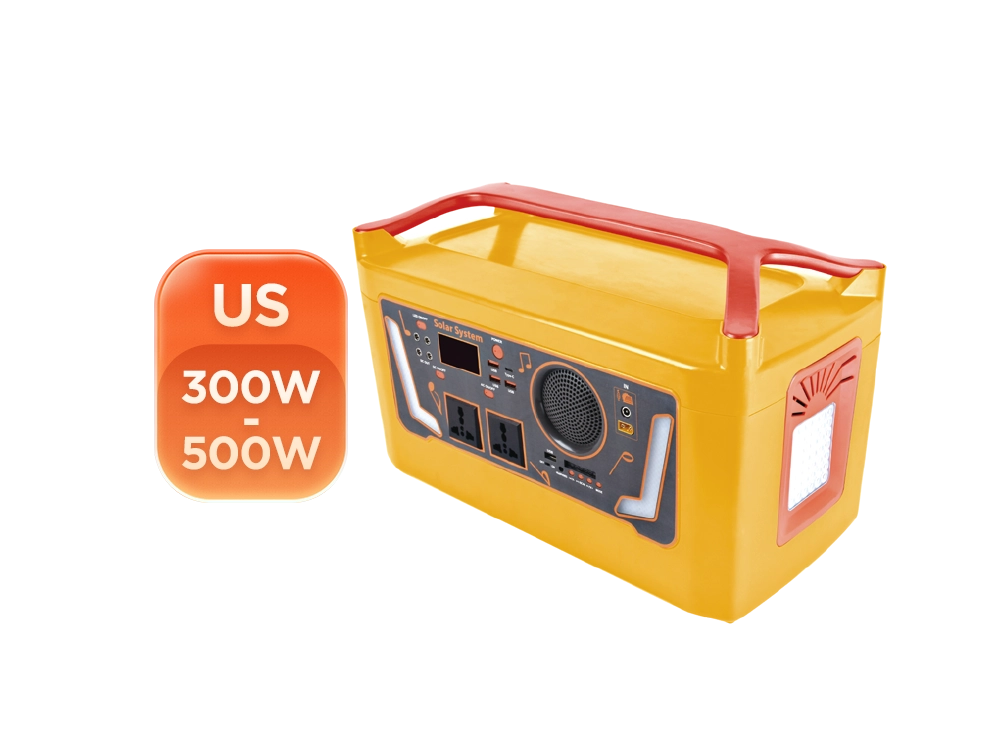
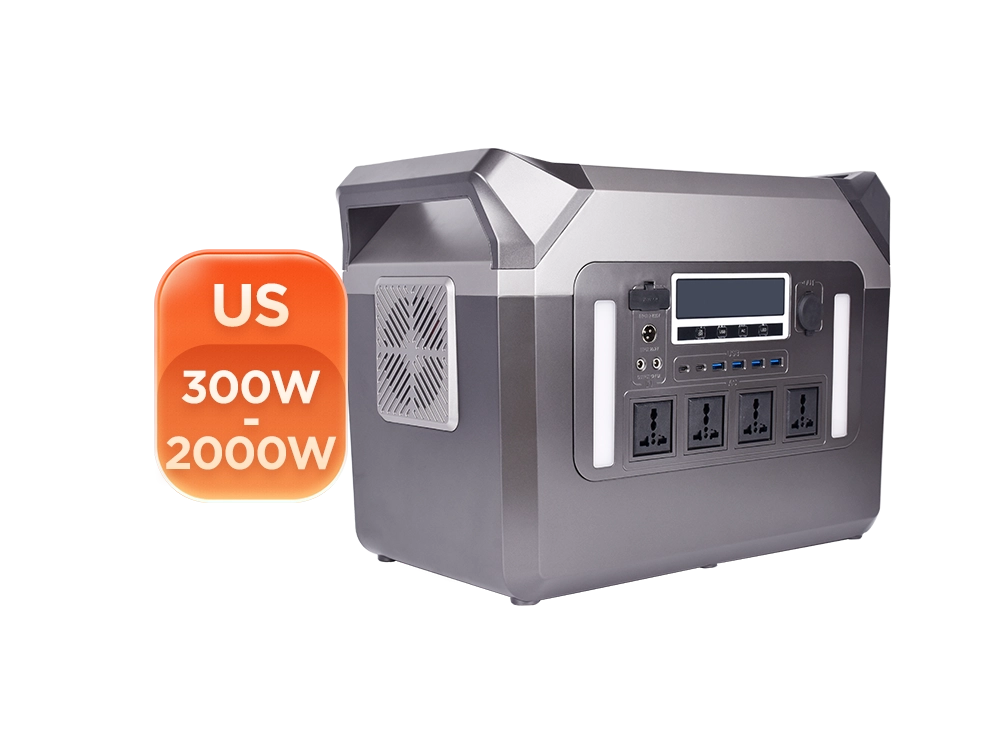
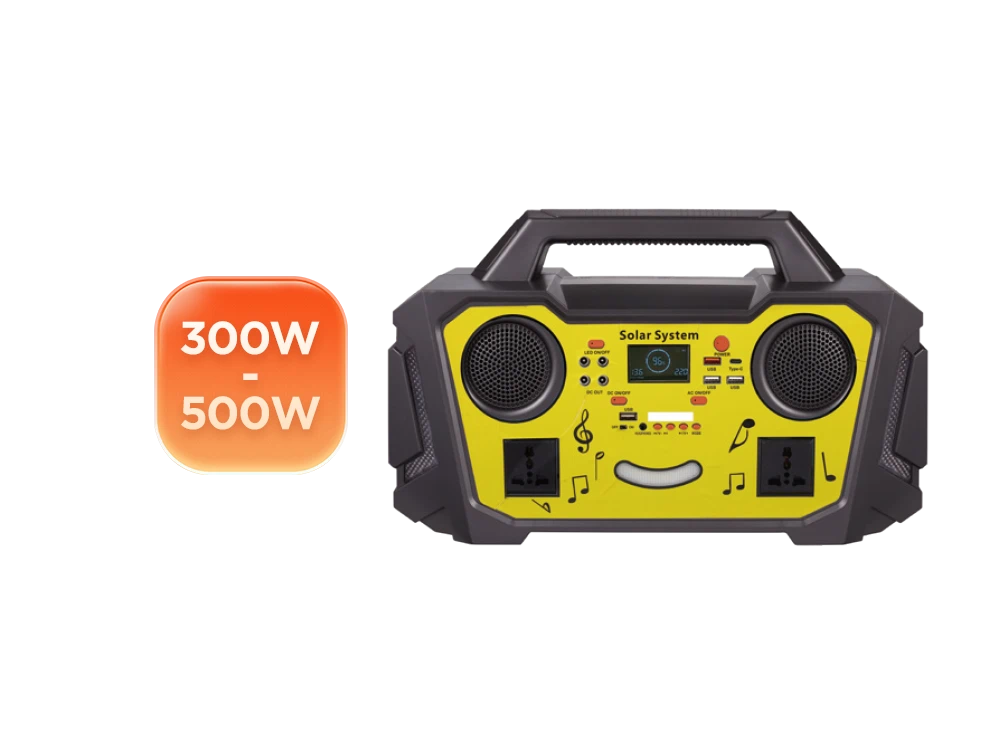
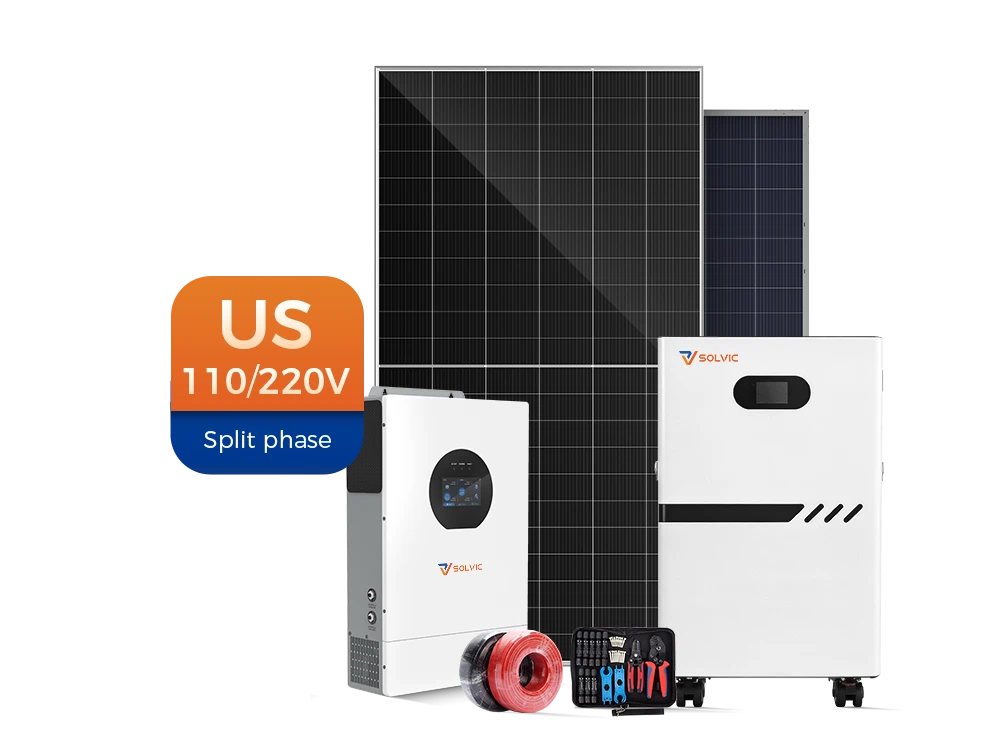
Solvic Power offers portable power stations in different configurations, including compact models with built-in Bluetooth speakers, single-handle and dual-handle units, and high-capacity pull-rod models. With options for both 110V and 220V applications, these product series give buyers different ways to balance battery capacity, output power, and portability.
1. Calculate Your Required Battery Capacity
Battery capacity, measured in watt-hours (Wh), indicates how much energy a power station can store. Output power, measured in watts (W), determines how much power it can deliver at one time. Both specifications matter when choosing a suitable model.
A basic calculation can help estimate the required capacity:
Required energy (Wh) = Device power (W) × Operating time (hours)
For example, a 60W device running for five hours consumes approximately 300Wh. Because power conversion creates losses, the selected power station should have more than 300Wh of nominal capacity if it needs to run that device for the full period.
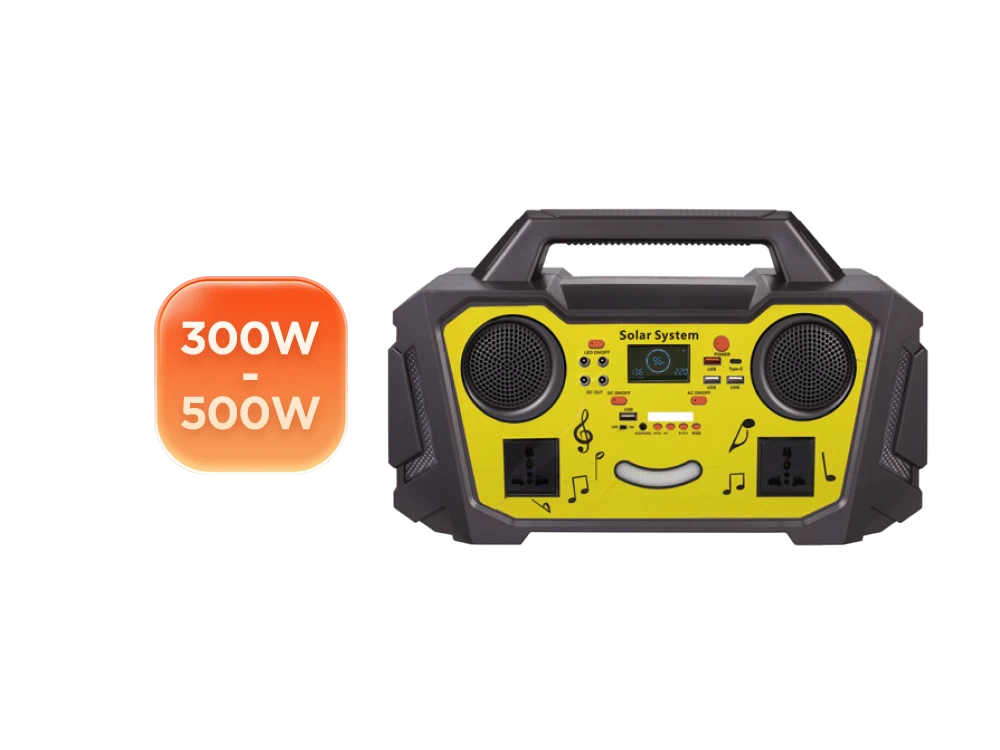
For smaller loads, Solvic Power’s YH-E Bluetooth speaker power station series offers 200–300W output with battery capacities of 76.8Wh or 192Wh, depending on the model. These options can suit users who prioritize compact power for short outdoor activities and light-duty applications.
For longer operating times or several connected devices, models with greater battery capacity may be more appropriate. The YH-WZ Bluetooth speaker series provides 300–500W output and capacities of 192Wh or 384Wh, offering another option for users who need both portable power and entertainment features.
When estimating capacity, buyers should calculate the total energy required by all intended devices rather than selecting a product based on its wattage alone.
2. Match Output Power to Your Equipment
Battery capacity determines how long a power station may operate a load, while output power determines whether it can operate that load in the first place. A product with sufficient stored energy may still be unsuitable if its rated output is too low.
For example, the YH-C dual-handle series includes models rated at 200W, 300W, 2000W, and 3000W. Its listed battery capacities range from 76.8Wh to 2202Wh. This range allows buyers to compare different configurations according to their equipment and expected energy consumption.
The YH-B dual-handle series also covers multiple output ratings. The 220V range includes models from 300W to 2500W, with listed battery capacities from 192Wh to 2590Wh. Buyers can compare these configurations when looking for a balance between output capability, stored energy, and portability.
Before purchasing, check the rated output power of the exact model, the power requirements of connected equipment, and any startup surge requirements. This is particularly important for devices with motors, compressors, or other loads that briefly draw more power when starting.
3. Choose Between 110V and 220V Models
Output voltage is another essential selection factor. A portable power station must match the voltage requirements of the devices it will supply. Buyers should also confirm the output frequency, plug compatibility, and rated power before making a purchase.
For 110V applications, Solvic Power offers several configurations, including the YH-F Bluetooth speaker series, YH-C dual-handle series, and higher-output YH-B models. These product types address different needs, from compact portable power to larger-capacity applications.
For 220V applications, the product range includes the YH-E and YH-WZ Bluetooth speaker series, the YH-A single-handle series, and the YH-C and YH-B dual-handle models. The YH-A series offers 500–1500W output, with listed battery capacities of 294Wh, 640Wh, 806Wh, 1209Wh, and 1612Wh.
The right choice depends on the electrical requirements of the intended equipment and the amount of energy needed between charges. A higher-capacity model is not automatically the better option if the connected devices require a different voltage or if the unit’s output rating does not meet their needs.
4. Select a Capacity for Camping, Travel, and Outdoor Work
Portability becomes especially important when a power station needs to be carried frequently. For short trips, compact models may be easier to transport and store. For longer outings or outdoor work, buyers may prefer a larger battery that can support equipment for longer periods.
The YH-A single-handle series uses a foldable handle for one-handed carrying. Its 220V models cover 500–1500W output and battery capacities up to 1612Wh, making the series worth considering when users need a combination of portability and additional stored energy.
The YH-C and YH-B dual-handle models use side-mounted handles to make carrying more manageable. Their different power ratings and battery capacities give buyers more flexibility when comparing products for camping, outdoor work, and backup applications.
For users who want entertainment alongside portable power, the YH-E, YH-WZ, and YH-F Bluetooth speaker series combine power output with built-in audio features. Depending on the model, these products can support compatible small electronics and other light-duty equipment while providing music playback during outdoor activities.
The best capacity depends on the devices being used, how long they need to operate, and whether the power station must be carried over long distances. Buyers should balance battery size with the convenience of transporting the unit.
5. Consider High-Capacity Models for Home Backup and Off-Grid Use
Home backup and off-grid applications often require more stored energy than short recreational trips. Buyers may need to power several devices or maintain essential equipment during an outage, making both battery capacity and output power important.
For higher-demand applications, Solvic Power’s pull-rod power station series offers larger configurations. The 220V YH-B pull-rod models provide 3000W, 5000W, and 8000W output, with listed battery capacities of 3072Wh, 5120Wh, and 7680Wh. The series also features MPPT solar input, a telescopic handle, and roller wheels.
The YH-TK big pull-rod series is another option for users with high power requirements. It offers 4000–8000W pure sine wave AC output at 220V/50Hz, with peak power support of up to 16,000W. Its heavy-duty wheels and telescopic handle are designed to help with moving the larger unit.
These high-output products may be worth evaluating for demanding backup or outdoor work requirements, but the actual suitability of a model depends on the equipment being powered and the required runtime. Buyers should confirm the exact battery capacity and continuous output rating of the selected model before purchase.
6. Check Solar Charging and Battery Technology
Charging options can affect how useful a power station is when grid electricity is unavailable. Models that support solar input can provide an alternative way to replenish stored energy, provided the solar panels and charging specifications are compatible.
Some of Solvic Power’s higher-capacity YH-B pull-rod and dual-handle models support MPPT solar input. MPPT technology helps manage the electrical operating point of compatible solar panels to improve energy harvesting under changing sunlight conditions. Before choosing a model, check its maximum solar input power, supported voltage range, connectors, and charging requirements.
Battery type is another consideration. The product series described by Solvic Power use lithium iron phosphate (LiFePO4) batteries. This chemistry is commonly selected for its cycle life and thermal stability, although actual performance depends on operating conditions, battery management, and charging practices.
For users planning to rely on solar charging, it is important to estimate both daily energy consumption and the energy that the solar system can realistically generate. Solar charging time varies with sunlight, panel capacity, weather, and system losses, so it should not be treated as a fixed value.
7. Compare the Main Product Features Before Buying
Once the required capacity and output power have been estimated, buyers can compare product configurations more efficiently. The following overview summarizes the main product groups discussed in this guide.
| Product series | Main specifications | Features to consider |
| YH-E Bluetooth speaker | 200–300W; 76.8Wh or 192Wh; 220V models | Compact power and built-in Bluetooth speaker |
| YH-WZ Bluetooth speaker | 300–500W; 192Wh or 384Wh; 220V models | Portable power with Bluetooth audio |
| YH-A single-handle | 500–1500W; 294–1612Wh; 220V models | Foldable handle and one-handed carrying |
| YH-C dual-handle | 200–3000W; 76.8–2202Wh; 110V and 220V configurations | Multiple output and capacity options |
| YH-B dual-handle | 300–2500W; capacity varies by configuration | Dual handles; selected models support MPPT |
| YH-B pull-rod | 3000–8000W; 3072–7680Wh; 110V and 220V configurations | Large battery capacity; selected configurations support MPPT |
| YH-TK big pull-rod | 4000–8000W; 220V/50Hz; peak power up to 16,000W | High output and heavy-duty mobility |
Specifications vary by model and configuration, so buyers should confirm the relevant product page before making a final selection.
Frequently Asked Questions
1. How do I calculate the right portable power station capacity?
Multiply each device’s power consumption in watts by its expected operating time in hours, then add the results together. Choose a portable power station with enough usable energy to cover the total demand, allowing extra capacity for conversion losses and unexpected usage.
2. What is the difference between 110V and 220V portable power stations?
The main difference is the AC output voltage. A 110V model is designed for compatible 110V equipment, while a 220V model is intended for compatible 220V equipment. Buyers should also check output frequency, plug compatibility, and rated power before choosing a model.
3. Can a portable power station be charged using solar panels?
Yes, provided the model supports solar charging and the panels meet its input specifications. Selected Solvic Power YH-B models feature MPPT solar input, which helps manage power from compatible solar panels. Charging performance depends on sunlight, panel capacity, and system conditions.
4. When should I choose a high-capacity portable power station?
A high-capacity model is worth considering when you need to operate multiple devices, support essential equipment during a power outage, or work outdoors for extended periods. Solvic Power’s YH-B pull-rod series offers 3000–8000W output and battery capacities of 3072–7680Wh, making it an option to evaluate for higher-demand applications. The final choice should depend on the actual load and required runtime.
Conclusion
Choosing the right portable power station starts with understanding your energy requirements and selecting a battery capacity that can support your expected runtime. Output power, voltage compatibility, charging options, and portability are equally important when comparing different models.
From compact Bluetooth speaker power stations to dual-handle units and high-capacity pull-rod models, Solvic Power offers options for a variety of portable power requirements. Whether you are comparing a power bank 110V or a power bank 220V, checking the specifications of each model against your intended application will help you find a practical balance between capacity, performance, and ease of use.