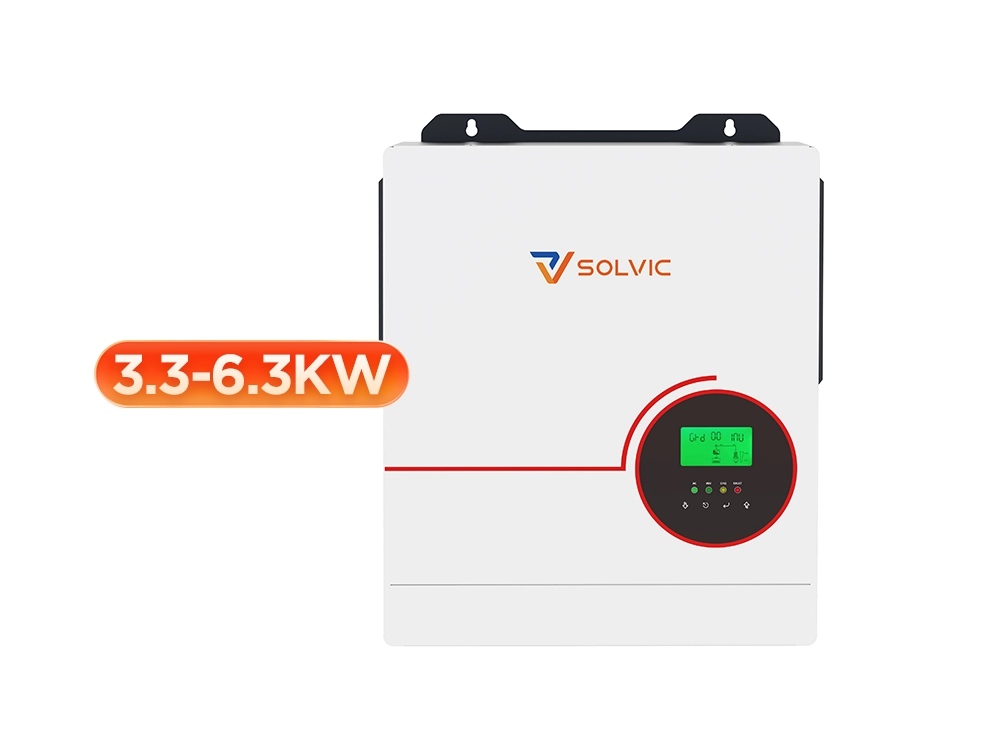








What Can a 10kW Solar Storage System Power at Home?
Release time: 2026-08-06
Table of Contents
For homeowners considering solar, one question matters more than the panel count: what can the system actually run? A 10kW solar storage system can support a substantial residential load, but its real capability depends on more than the 10kW label.
The answer involves three different factors: how much solar energy the system generates, how much power the inverter can deliver at once, and how much energy the battery can store. Understanding these differences makes it easier to choose a system that matches real household demand.
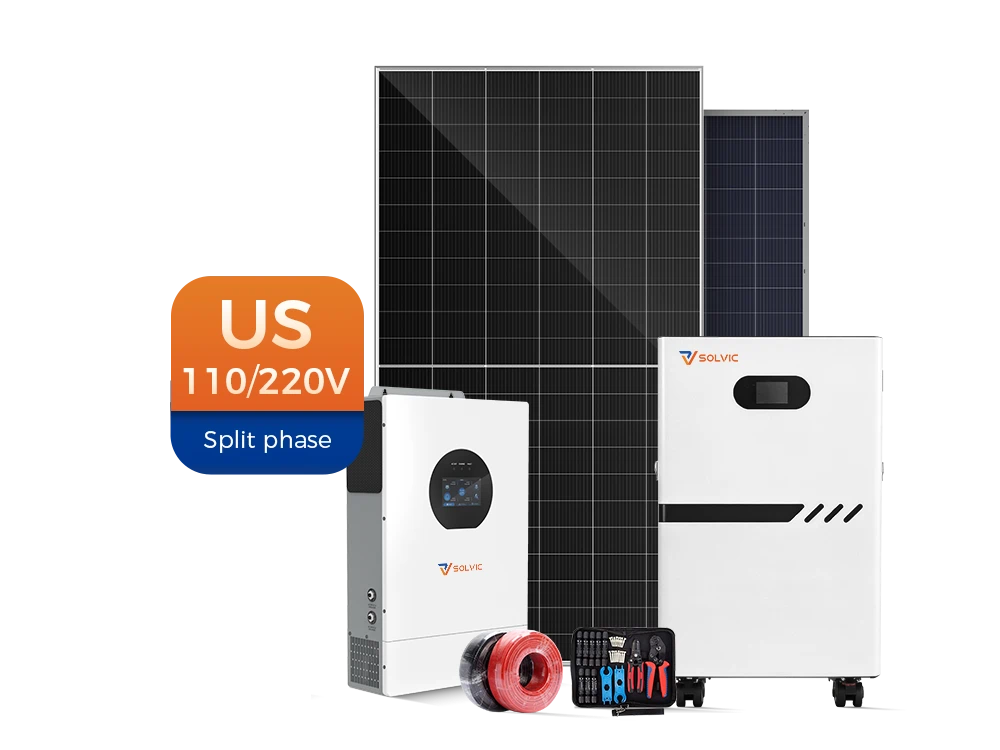
What Does “10kW” Mean in a Home Solar System?
The first point to clarify is the difference between power and energy.
A 10kW rating describes power—the maximum rate at which a properly configured system can generate or deliver electricity under specific operating conditions. Energy, measured in kWh, tells you how much electricity is produced or consumed over time.
This distinction matters because a home may need:
- Several kilowatts of power when multiple appliances run simultaneously
- Tens of kilowatt-hours of energy throughout the day
- Additional battery capacity to cover evening consumption or outages
A 10kW solar array can produce roughly 30–45 kWh per day in many U.S. conditions, although actual production varies significantly with location, season, roof orientation, shading, temperature, and system losses.
For that reason, homeowners should evaluate both instantaneous load and daily energy consumption before deciding whether a 10kW configuration is appropriate.
What Appliances Can a 10kW Solar Storage System Power?
A properly designed 10kW solar storage system can support many of the appliances found in a modern home. However, not every appliance should necessarily operate at the same time.
Typical residential loads include:
| Appliance or Load | Typical Power Demand | Consideration |
|---|---|---|
| Refrigerator | 100–400 W while running | Easy to support |
| LED lighting | 5–20 W per bulb | Low continuous load |
| Wi-Fi router & electronics | 20–100 W | Suitable for backup |
| Washing machine | 500–1,500 W | Moderate load |
| Dishwasher | 1,200–1,800 W | Higher heating load |
| Microwave | 1,000–1,500 W | Short-duration load |
| Central air conditioning | 2,000–5,000+ W | Requires careful sizing |
| Electric water heater | 3,000–5,500 W | High-energy appliance |
| EV charger | 3,600–11,000+ W | May require load management |
These figures are representative rather than guaranteed operating values. Actual demand depends on appliance specifications, duty cycles, startup surges, and installation conditions.
This is why a Solvic Eco Solar Storage System should be evaluated as a complete energy solution rather than by looking at a single power rating.
Can a 10kW Solar System Run an Entire House?
For many households, the answer can be yes—but “running the entire house” needs some qualification.
During sunny periods, solar generation can directly supply household loads while excess electricity charges the battery. When solar production falls, stored energy can support the home instead.
A typical operating sequence looks like this:
- Solar generation: PV panels produce DC electricity.
- Power conversion: The inverter converts and manages the electricity for household loads.
- Direct consumption: Solar energy first serves active appliances.
- Battery charging: Surplus energy can be stored for later use.
- Evening operation: Battery energy can reduce dependence on grid electricity.
- Backup operation: Depending on system configuration, selected loads can continue operating during an outage.
This architecture is particularly useful for homes with significant daytime solar production but substantial evening consumption.
However, high-power appliances such as central air conditioning, electric water heaters, heat pumps, and EV chargers can quickly increase demand. Running several of them simultaneously may require load management or a larger system.
Why Battery Storage Changes What the System Can Do
Solar panels only generate electricity when sufficient sunlight is available. Battery storage changes the timing of that energy.
A home solar storage system allows excess daytime production to be shifted into the evening, when household demand often increases.
Battery sizing should therefore be based on the home’s actual consumption profile rather than simply matching battery capacity to the solar array.
| Energy Goal | Typical Battery Approach | Suitable Scenario |
|---|---|---|
| Daytime self-consumption | Smaller battery | Home uses most power during the day |
| Evening energy shifting | Medium battery | Family with higher evening demand |
| Overnight backup | Larger battery | Longer backup requirement |
| High energy independence | Larger storage + optimized PV | Heavy consumption or frequent outages |
Recent 2026 industry guidance similarly emphasizes that battery capacity should be determined by evening consumption, backup requirements, usable capacity, and solar surplus—not simply by the 10kW system rating.
What About Air Conditioning and EV Charging?
These are two of the most important loads to consider when sizing a residential solar storage system.
Air Conditioning
Air conditioning can represent a major summer load. A system may comfortably run refrigeration, lighting, electronics, and smaller appliances while also supporting air conditioning, but continuous high-output cooling can consume battery energy rapidly.
For backup applications, homeowners may therefore prioritize:
- Refrigeration
- Lighting
- Internet and communications
- Security systems
- Selected HVAC circuits
- Essential outlets
EV Charging
EV charging is another major consideration. A Level 2 charger can draw several kilowatts, meaning it can consume a significant portion of available inverter capacity while charging.
Rather than assuming that a 10kW system will automatically provide unlimited EV charging, homeowners should consider scheduled charging, daytime solar charging, and smart load management.
This approach allows solar generation to support transportation without unnecessarily increasing peak demand.
How to Decide Whether 10kW Is Enough
The best system size depends on the home’s actual electricity profile.
Before choosing a solar storage system, evaluate:
- Annual and monthly electricity consumption
- Highest simultaneous household load
- Daytime versus nighttime consumption
- Battery backup expectations
- EV ownership
- HVAC and electric heating requirements
- Available roof area
- Local solar resource
A household using relatively little electricity may not need a 10kW system. Conversely, a large all-electric home with multiple HVAC units, an EV, or high nighttime consumption may need a larger PV array or additional storage.
The key is to size the system around the load profile, not around a headline number.
Why Solvic Eco Solar Storage Systems Matter
Solvic approaches residential energy from a system perspective, combining solar generation, energy conversion, and storage into a coordinated solution.
For homeowners looking to increase self-consumption, reduce grid dependence, and maintain greater control over household energy, an integrated solar storage configuration can be more practical than treating panels, batteries, and inverters as unrelated products.
The Solvic 10kw Eco Solar Storage System concept is particularly relevant for homeowners evaluating higher-capacity residential energy systems where solar generation, storage, and household loads need to work together.
Conclusion
So, what can a 10kW solar storage system power at home?
For many households, it can support a broad range of everyday loads—from refrigerators and lighting to washing machines, electronics, HVAC equipment, and potentially EV charging when the system is properly designed.
But the real answer is not determined by “10kW” alone. Solar generation, inverter output, battery capacity, appliance demand, and household consumption patterns all work together.
Solvic provides integrated solar and energy storage solutions designed around this system-level approach, helping homeowners move beyond simply generating solar electricity toward smarter, more controllable residential energy management.
FAQ
Q1: Can a 10kW solar system power an entire house?
Yes, a properly designed 10kW system can cover a large portion or potentially most of a home’s electricity demand. Actual performance depends on household consumption, solar conditions, inverter capacity, and battery configuration.
Q2: What appliances can a 10kW solar system run?
It can support common household appliances such as refrigerators, lighting, washing machines, electronics, and many HVAC loads. High-power appliances should be evaluated for simultaneous operation and startup demand.
Q3: How much electricity does a 10kW solar system produce per day?
A 10kW system may generate roughly 30–45 kWh per day under many U.S. conditions, but production varies substantially by location, season, shading, orientation, and system efficiency.
Q4: How much battery storage does a 10kW solar system need?
There is no universal battery size. The correct capacity depends on daily consumption, evening loads, backup requirements, and how much surplus solar energy is available.
Q5: Can a 10kW solar system charge an EV?
Yes, but EV charging can represent a significant electrical load. Daytime charging, scheduled charging, and load management can help coordinate EV charging with available solar generation.
Q6: Is a 10kW solar storage system suitable for every home?
No. System sizing should be based on electricity consumption, roof conditions, local solar resources, backup requirements, and future loads such as EVs or electric heating.