







What Is a Home Solar Inverter in 2026?
Release time: 2026-06-30
Table of Contents
Modern households are rapidly shifting toward solar energy as electricity prices continue to rise worldwide. In 2026, the home solar inverter has become the central component of residential energy systems, enabling users to convert, manage, and optimize solar power more efficiently than ever before.
Unlike basic electrical devices, a home inverter is no longer just a converter—it is the “energy brain” of the entire solar system.
As more homeowners adopt solar panels and battery storage, understanding how a home solar inverter system works is essential for maximizing energy independence and long-term cost savings.
What Is a Home Solar Inverter?
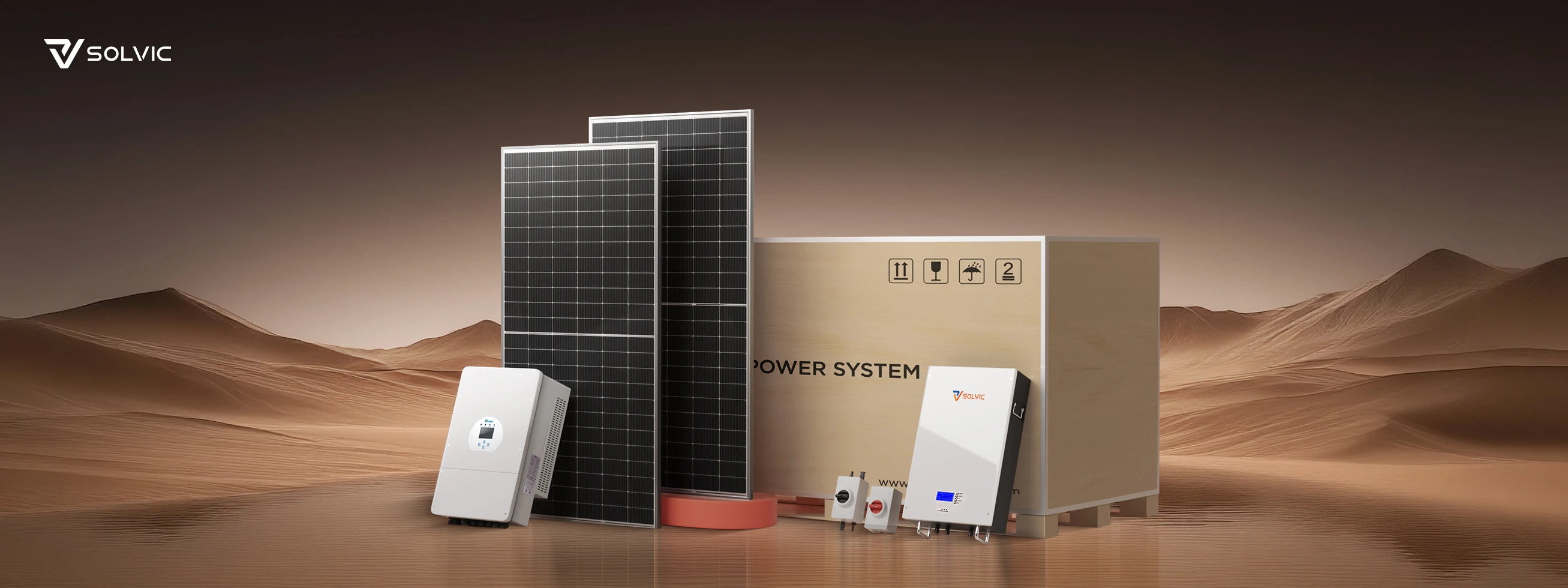
A home solar inverter is a device that converts DC electricity generated by solar panels into AC electricity used by household appliances.
However, in 2026, modern inverters do far more than conversion:
- Energy management between solar, battery, and grid
- Real-time power optimization
- Backup power supply during outages
- Smart load balancing for home usage
This evolution has transformed the home solar inverter into a core part of smart energy systems.
How Does a Home Solar Inverter Work?
A modern hybrid inverter operates through multiple energy flows:
- Solar panels generate DC electricity
- Inverter converts DC → AC for home use
- Excess energy is stored in batteries or sent to the grid
- Stored energy is used during nighttime or outages
This system ensures maximum energy utilization and minimal waste.
Key functions include:
- MPPT (Maximum Power Point Tracking)
- Battery charging management
- Grid synchronization
- Backup power switching
Types of Home Solar Inverters
| Type | Function | Best Use Case |
|---|---|---|
| Grid-tied inverter | Works with utility grid | Urban homes |
| Off-grid inverter | Independent system | Remote areas |
| Hybrid inverter | Solar + battery + grid | Modern households |
Among these, hybrid systems are becoming the dominant choice in 2026.
Why Home Inverters Matter More in 2026
Several global trends are driving adoption:
- Rising electricity costs
- Increased grid instability
- Demand for energy independence
- Growth of residential solar systems
A smart solar inverter for home use is now essential for managing household energy efficiently.
Solvic Home Inverter Advantage
Solvic focuses on intelligent energy systems designed for modern households. Their inverter solutions emphasize:
- High conversion efficiency
- Seamless solar + battery integration
- Stable performance under load variation
- Long-term reliability for residential systems
By integrating advanced home inverter systems, users can achieve better control over energy consumption and reduce dependency on the grid.
Conclusion
The home solar inverter is the foundation of modern residential solar systems in 2026. It not only converts energy but also manages, stores, and optimizes it for maximum efficiency.
For homeowners seeking energy independence and long-term savings, investing in a high-quality inverter system is no longer optional—it is essential.
Solvic continues to develop advanced solar solutions that help households transition toward smarter and more sustainable energy usage.
FAQ
Q1: What does a home solar inverter do?
A: It converts solar DC power into AC electricity and manages energy flow in the home system.
Q2: Can a home inverter power the whole house?
A: Yes, depending on system size and battery capacity.
Q3: How long does a solar inverter last?
A: Typically 8–15 years depending on usage and environment.
Q4: Is a hybrid inverter better?
A: Yes, because it integrates solar, battery, and grid power management.
Q5: Do solar inverters work during power outages?
A: Hybrid and off-grid systems can provide backup power.